China Snow Town (Zhong Guo Xue Xiang) is a picturesque village often referred to as the "home of snow." Located within the Shuangfeng Wood Farm in Hailin City, under the jurisdiction of Mudanjiang City, Heilongjiang Province, this village lies about 280 kilometers from Harbin, the provincial capital.
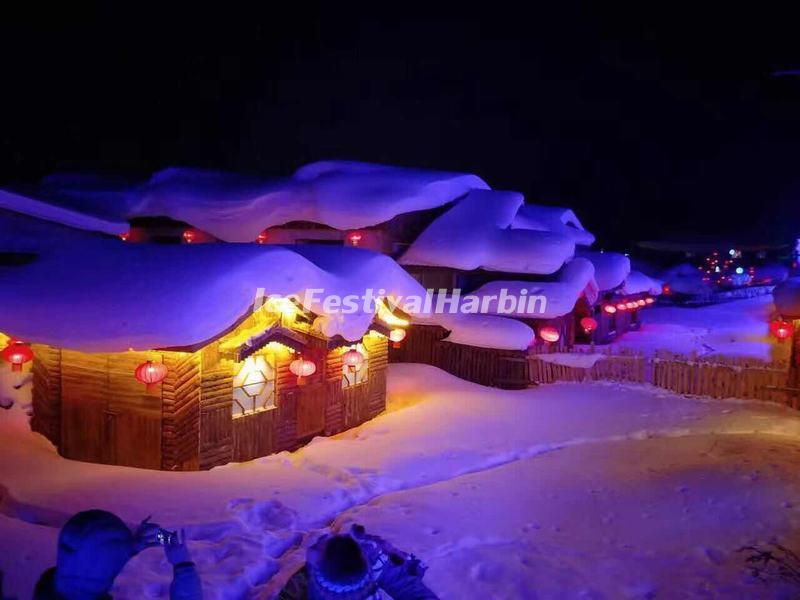
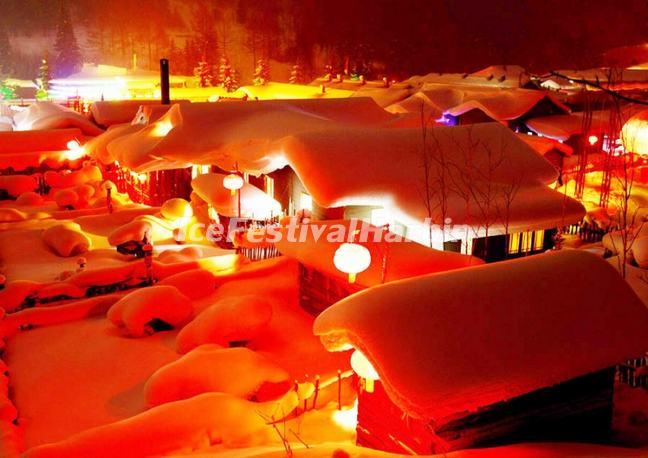
Situated at an altitude of 1,500 meters and covering 500 hectares, the village boasts around twenty wooden houses adorned with strings of golden corn and red chili hanging to dry. In winter, snow in this region can reach depths of up to two meters, absorbing sound and creating a mesmerizing winter wonderland. The unique "snow mushroom" formations — snow-laden rooftops that bulge into rounded, mushroom-like shapes — are the village's most iconic visual signature.
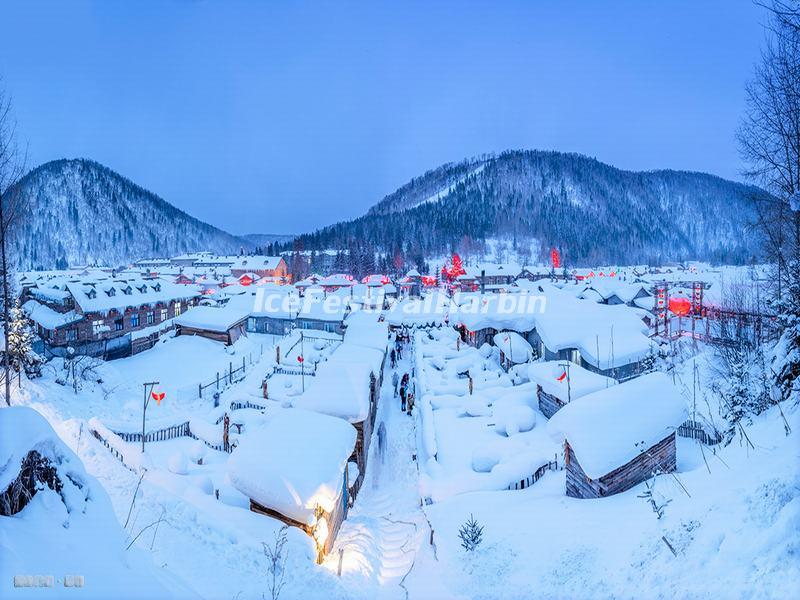
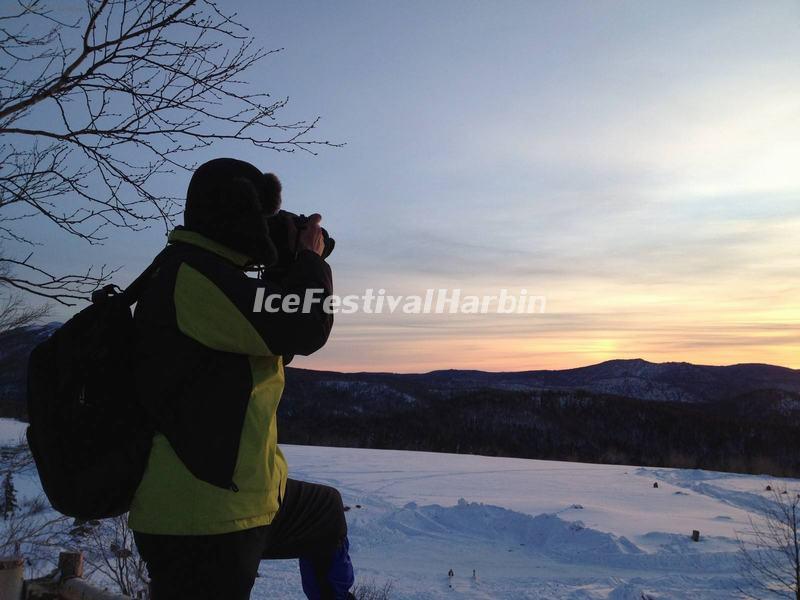
Although blessed with some of the purest snow and most beautiful snowscapes in the world, China Snow Town remained unknown to the outside world until 1999. It was brought to international attention when discovered by a group of photography enthusiasts whose photos garnered international acclaim. Subsequently, the village became a popular filming location for numerous teleplays, including well-known productions such as "She's My Ex-wife," "Cool In Summer And Warm In Winter," "Winter Of The Wacky King," "Heilong Town And The Snowstorm," "Snow Town," "Brave The Journey To The Northeast (Chuang Guandong)," "The Blowing North Wind (Beifeng Na Ge Chui)," "The Police Commissioner," "The Northern Morning," and "Where Are We Going, Dad?" These productions added an air of mystery to the village, which is now considered a winter paradise. With its towering mountains, traditional wooden houses, local wildlife, trees, and stunning sunrises, China Snow Town offers a unique experience distinct from other snowy destinations worldwide. It has become a renowned eco-tourism destination, closely linked to the Harbin International Ice and Snow Sculpture Festival.
The 2025–2026 winter season brought several exciting upgrades to China Snow Town:
Penguin Arrival at Bangchui Mountain Fairy Tale Forest: Four adorable Papuan penguins have taken up residence in this new themed area. A 120-meter lantern corridor with over 3,000 lanterns leads visitors into a fairy-tale world featuring 400+ snow mushroom stumps, a life-size replica of the "Boonie Bears" dog-bear forest scene, and glowing firefly, moon, and snowflake lights. The penguins will parade daily along Snow Charm Street for close-up photos with visitors.
Erlong Mountain Film Base Renovation: The Snow Town Film Base, located 20 km southwest of the scenic area and a filming location for classics such as "Brave the Journey to the Northeast" and "Taking Tiger Mountain by Strategy," has been fully upgraded. Visitors can now enjoy immersive folk performances including the 24 Solar Terms drum show, Northeast Yangge, Ansai waist drums, and traditional errenzhuan comedy acts.
Snowman Emoji Sculpture Street: A new street featuring 32 expressive, anthropomorphic snow sculptures connecting Snow Source Street, adding a playful Northeast New Year atmosphere.
New Year Market: A new market has opened along the riverside commercial street, offering over 100 specialty goods such as handmade sugar melons, forest products, and frozen persimmons.
The best months to visit China's Snow Town are January, February, March, and December. The official snow season typically runs from mid-November to late March. The 2025–2026 winter season officially closed on March 4, 2026, and the scenic area remains in its off-season rest period until the 2026–2027 season begins.
Accommodation: Hotels with excellent facilities are available in China Snow Town. Tourists also have the option to stay overnight at family hotels and experience sleeping on a Kangtou (a brick bed warmed by a fire underneath, typical in Northern China).
Avoid Peak Periods: Try to avoid local peak periods: December 24–26, January 1–3, and the one-week Chinese New Year holiday. During these times, hotels are very expensive, and the town is extremely crowded.
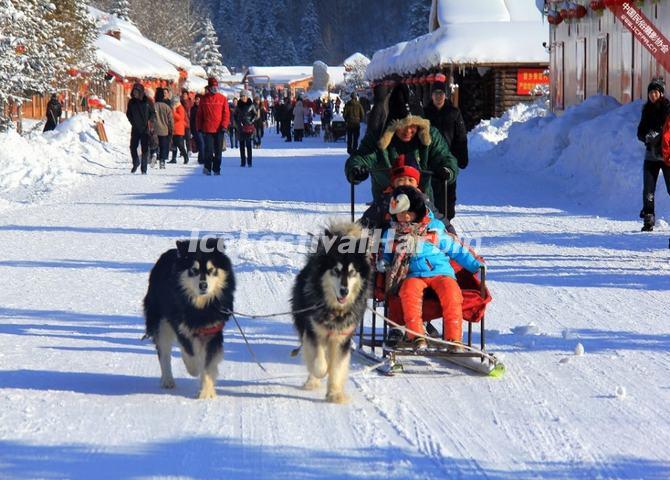
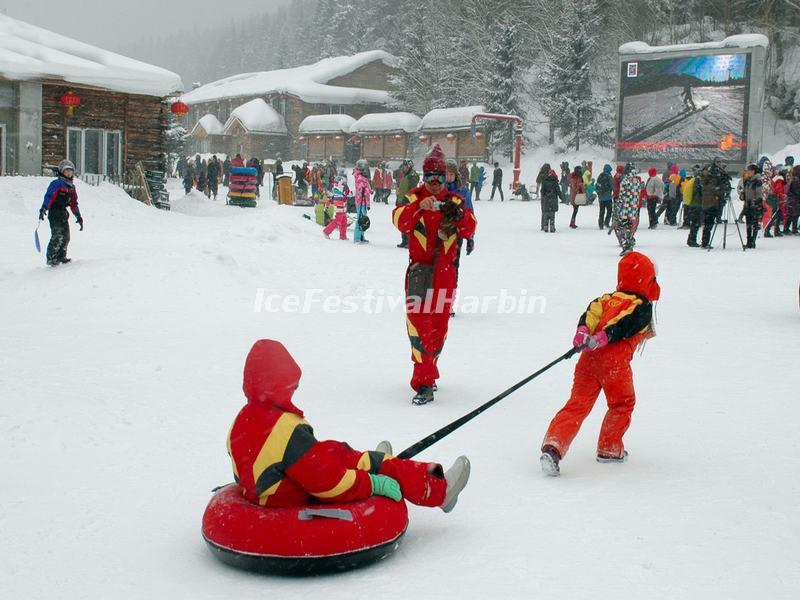
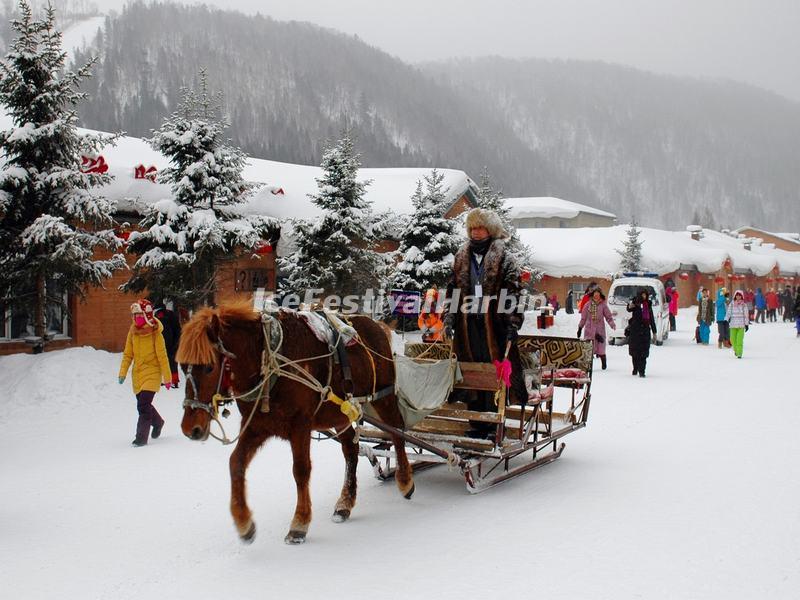
Organized Activities: In China Snow Town, organized hikes through villages and forests, snowmobile rides, horse or dog-pulled sled experiences to Yangcaoshan Mountain for sunrise viewing, photography opportunities, visits to local families, and skiing are available.
Local Cuisine: Northern Chinese cuisine is known for its delicious and unique flavors. Visitors can savor these culinary delights at local farmers' homes or hotels.

| Season | Period | Price |
|---|---|---|
| Peak Season | Nov 1 – Apr 30 | 140 RMB/person |
| Off-Season | May 1 – Oct 31 | 70 RMB/person |
Note: These prices are per the official notice issued by Mudanjiang Development and Reform Commission, effective from July 1, 2025 to June 30, 2027. Some visitors have reported paying approximately 120 RMB including shuttle bus service, so prices may vary depending on the ticket package.
Discounts are available for children, students, seniors, active-duty military personnel, disabled persons, and police officers in accordance with national, provincial, and municipal policies
Recommended Tour Packages to China's Snow Town:
2) 5-day Harbin Winter Adventure Tour
Well Note: Typically, a two-day, one-night trip to China's Snow Town is sufficient. The cost of touring the town is notably high, potentially making it one of the most expensive tourist destinations in China due to the pricey accommodations, food, and transportation. Local hotels operate only during the winter months (December, January, February, March) and often increase their prices without prior notice or explanation. The journey from Harbin to the town by road takes approximately 5-6 hours, with transportation costs constituting a significant portion of the overall tour expenses for the round trip.

 Zhangjiajie Avatar Tours